Step Off the Train and Onto the Trail

Grab a ticket, shoulder a small pack, and discover how trains deliver you straight to wild horizons. Today we explore From Rail Stations to Ridge Lines: Station-Start Walks, celebrating effortless access, low-carbon travel, and panoramic trails that begin where the platform ends. Expect practical planning, gear that suits both carriage aisles and airy crests, safety smarts, and inspiring route ideas, plus an open invitation to share your own journeys and help others step confidently from rails to ridges.

How to Plan a Rail-to-Ridge Adventure

Planning a rail-to-ridge day means lining up departure times, walking pace, ascent, and daylight, while keeping contingencies ready for delays or weather. We’ll show you how to stitch timetables to maps, choose realistic turn-around points, and balance ambition with safety so the last train remains a relaxed certainty, not a sprint.

Reading Timetables Like a Trail Map

Treat the timetable as terrain: gradients become connection buffers, ridgelines become last-train cutoffs, and stations turn into waypoints. Prefer frequent services, build generous transfer cushions, and star backup stops along your route. A calm, predictable return is part of the joy of traveling by rail to walk high.

Mapping Ridge Lines from Platforms

Use paper maps and offline GPX files to lace platforms to ridges via rights-of-way, forest roads, and discreet linking paths. Check gradients, exposure, and water sources, then mark bailouts descending to alternative stations. Keep the first kilometer flexible for snacks, photos, and navigation rhythm after leaving the station bustle.
Smart, Light, Ready: Gear that Works on Rails and Ridges

A compact kit lets you move comfortably through carriages and confidently across broken rock. Focus on packability, weight, and versatility. Choose layers that breathe during climbs yet block wind on exposed crests, footwear that grips slick platforms and slate, and safety essentials that respect train policies and wilderness realities.

Packable Layers for Platform Breezes and Summit Squalls

Combine a wicking base, light fleece, and windproof shell that compress together without hogging seat space. Add a beanie and gloves year-round, because carriages can be chilly after sweaty ascents. Prioritize quick-dry fabrics that still feel decent when you slide into town cafés before catching the homebound service.

Footwear that Handles Cobblestones, Ballast, and Broken Slate

Pick shoes that marry trail traction with station comfort: moderate lugs, supportive midsoles, and grippy compounds that won’t squeal across platforms. Test heel lock on stairs, check fit for long descents, and accept a few grams extra if durability means fewer blisters and more confident footwork across airy edges.

Emergency Essentials that Pass Security Checks

A whistle, small first-aid kit, compact headlamp, foil bivy, and a battery bank with a short cable cover most misadventures without alarming conductors. Keep a printed map and backup compass accessible. Pack a bright bandana to signal at distance, wrap snacks, or pad a hot drink purchased before boarding.

Navigation and Safety Between Signals and Summits

Weather Windows and Go/No-Go Calls

Read multiple sources, note freezing levels, and imagine how wind shifts turn ridges into funnels. Decide in advance what gust speed cancels airy sections. If lightning threatens, descend immediately toward treeline or valley tracks. Flexibility preserves joy; swapping a crest for a sheltered traverse still delivers a satisfying rail-linked walk.

Wayfinding without Draining Your Battery

Conserve battery by dimming screens, using airplane mode, and leaning on contour literacy. Confirm position at junctions rather than constant tracking. When in mist, compass bearings and pacing shine. Photograph key signposts for return reference, and keep a lightweight power bank warm in an inside pocket to maintain charge.

Exit Strategies: Bail-Out Paths Back to a Platform
Before leaving the platform, identify at least two lower routes that angle toward intermediate stations or reliable bus links. Snap screenshots of schedules in case coverage fades. If fatigue or time slips, choose the nearest descent early; an unhurried train ride beats a rushed headlamp scramble every single time.

Routes to Try: Trains that Deliver You to the Skyline

Rail networks quietly unlock unforgettable horizons. These suggestions show how a simple ticket can place you beneath cliffs, above valleys, and along skyline paths. Distances and conditions vary, so check local maps and transport advisories, then customize the day to match fitness, weather, and that precious last departure.
Start beside sea-sprayed platforms, then rise through quiet lanes to crest red sandstone bluffs where gulls ride thermals. The coast path links with inland bridleways forming a graceful loop back to a different stop. Tide charts, cliff edges, and sun exposure reward early starts and generous water planning.
Glide into a valley walled by waterfalls, then follow signed paths to an old trackbed and onward to panoramic meadowed ridge. Switchbacks grant sweeping views of glaciers and villages. Options abound to descend to alternate stations, making timing elegant even when lingering for photographs and cheese at the crest.

On the Train: Sharing Space with Commuters and Families

Keep packs slim and mud-free, stow poles, and offer seats to those who need them. Avoid sprawling across pairs, and snack without strong smells. A friendly hello to staff goes a long way, especially when asking about platforms, bicycle carriages, or the best door for a tight connection.

On the Trail: Gates, Grazing, and Ground-Nesting Birds

Close gates, skirt fields with young calves, and step through puddles rather than widening paths. In spring, leash dogs near ground-nesting birds. Pause for passing riders on bridleways. Your restraint preserves delicate edges and ensures farmers, rangers, and volunteers continue welcoming walkers arriving by the morning train.

In Town: Supporting Cafés, Hostels, and Local Trail Groups

Begin and end near small businesses whenever possible. Buy pastries before climbing, toast the day with a tea afterward, and drop coins in trail donation boxes. Respect opening times and quiet hours. Friendly conversations reveal seasonal tips, water taps, and lesser-known links that turn good routes into great ones.
A Missed Connection that Became a Sunset Ridgewalk
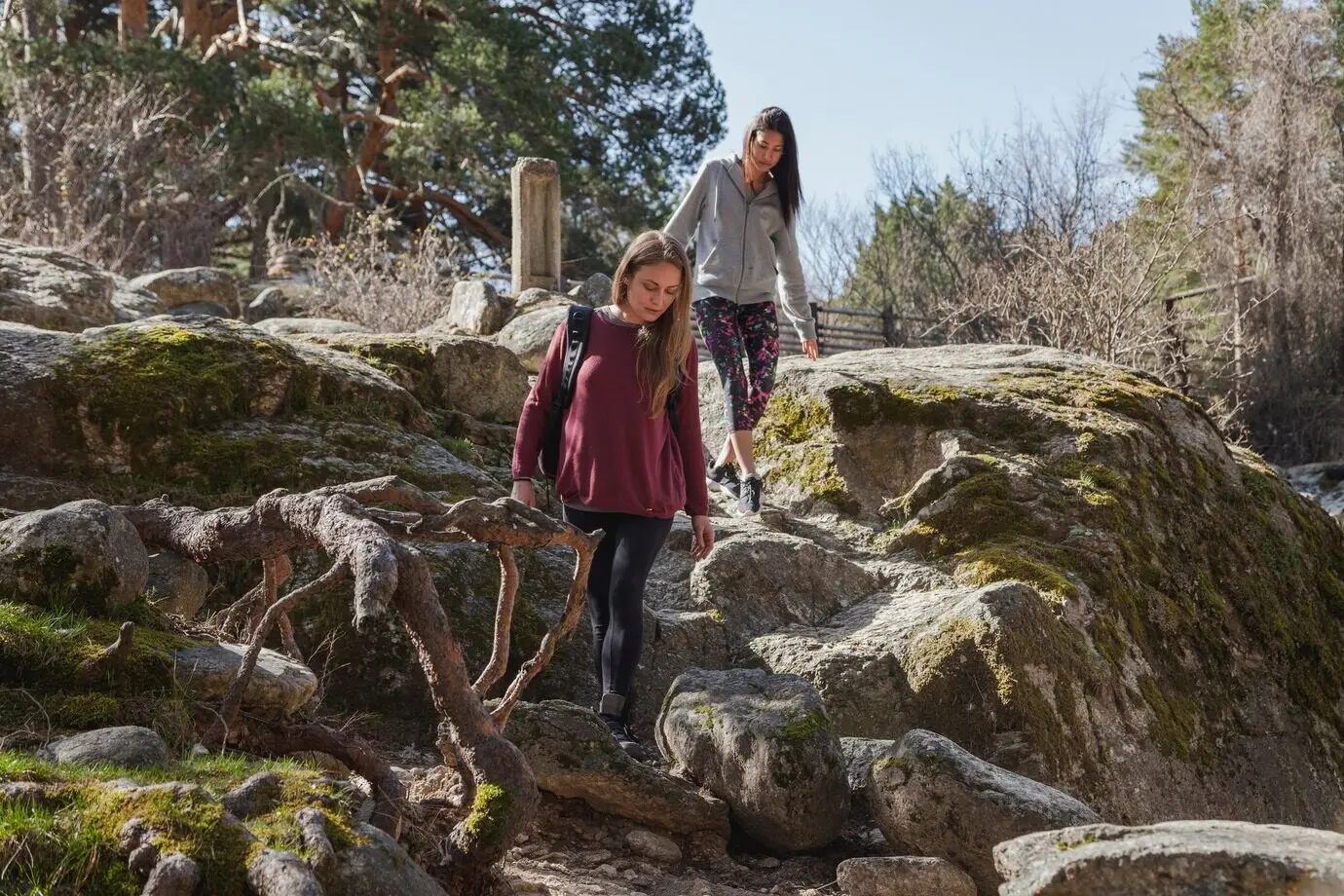
A delayed departure once nudged our group to a later start, and that change delivered gold. We reached the crest exactly as clouds lifted, painting distant peaks peach. Because we had bailouts ready, we lingered, descended calmly, and still caught a quiet late service home smiling.

First-Timers: Step-by-Step Confidence from Platform to Peak
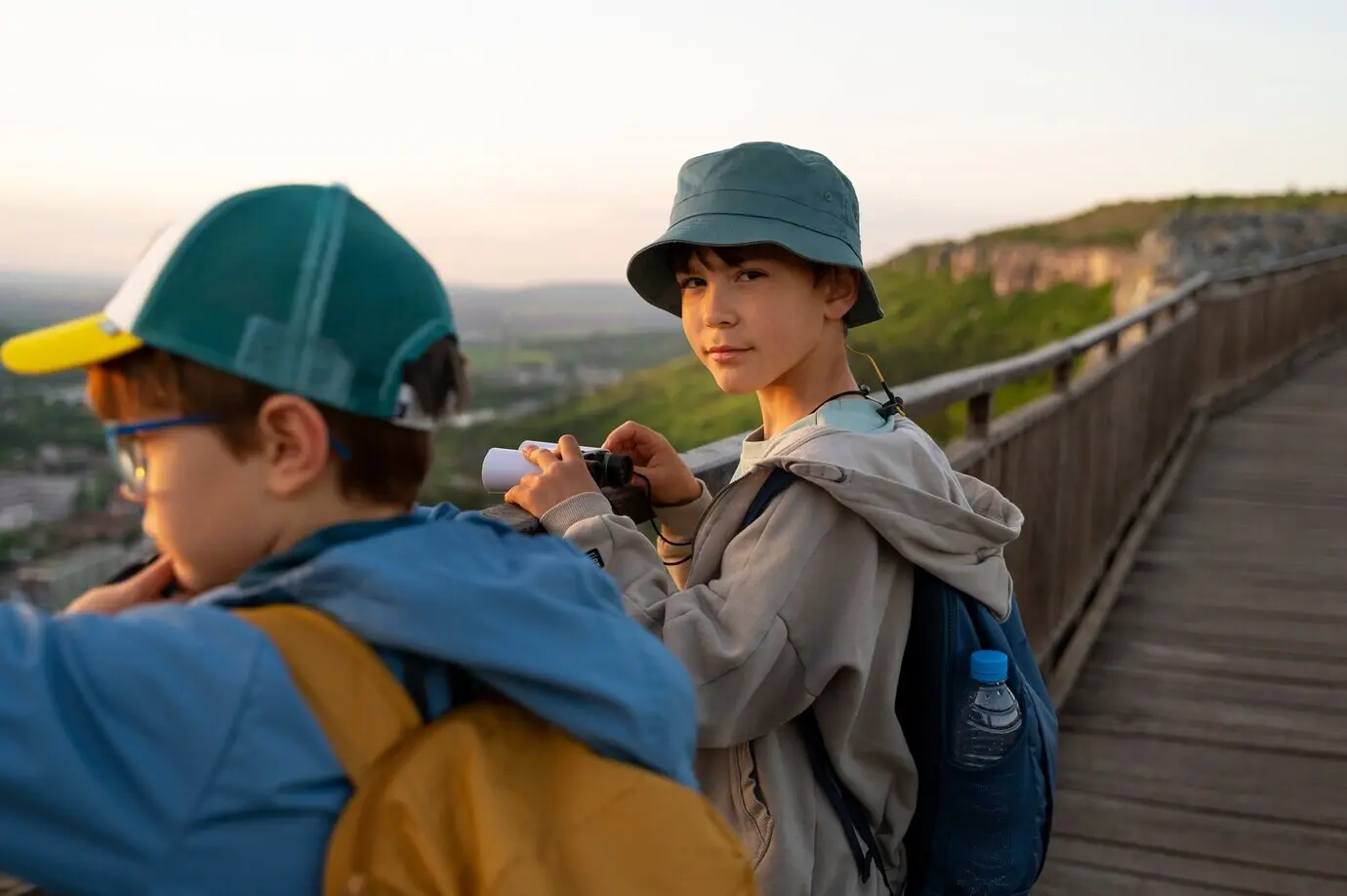
Here’s a gentle template for a first outing: choose frequent-service lines, a loop with two exit points, and less than eight hundred meters of ascent. Pack light, start early, and photograph signs. Returning with energy to spare builds confidence, making the next skyline feel closer before you even arrive.

Share Your Tracklogs, Photos, and Tips

We’d love to hear from you. Post a comment with your station and ridge, subscribe for fresh ideas, or email a short report we can feature. Include timing, distance, and surprises encountered. Your experience transforms uncertainty into anticipation for someone planning their first rail-to-ridge journey.
Nuraxukerafema
Privacy Overview

This website uses cookies so that we can provide you with the best user experience possible. Cookie information is stored in your browser and performs functions such as recognising you when you return to our website and helping our team to understand which sections of the website you find most interesting and useful.