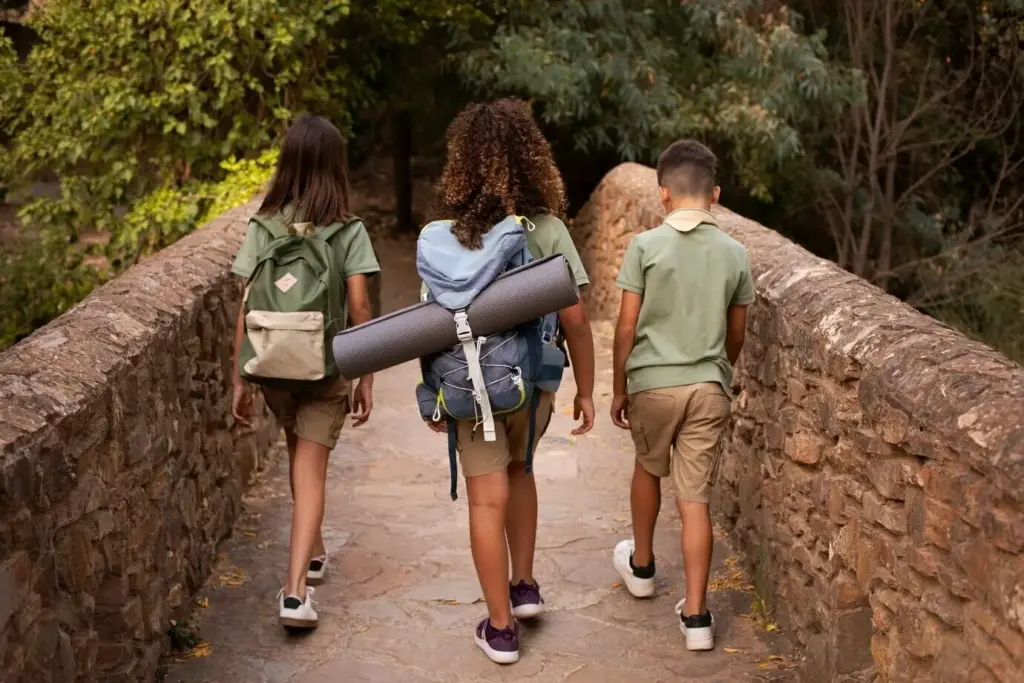
Walk Light, Breathe Deep: Multi‑Day Hill Adventures Without the Car

Step into a journey that embraces eco-friendly hiking itineraries: multi-day hill routes without a car, where the rhythm of trains, buses, and ferries becomes part of the adventure. This guide helps you connect trailheads by public transport, plan resilient routes, cut waste, and savor the joy of moving slower. Expect practical tips, heartfelt stories, and thoughtful choices that protect fragile landscapes while deepening your connection to every ridge, moor, and pass. Share your experiences, subscribe for fresh itineraries, and help shape a kinder way to roam.

Getting There the Green Way

Reaching high trails without driving is more achievable than it looks when you stitch timetables together with intention and leave room for delightful detours. We’ll explore how to spot strong rail corridors, align bus hops with daylight, and prioritize trailheads served year-round. Along the way, we’ll balance reliability and spontaneity, embrace occasional ferries, and plan backup exit points. Tell us your favorite station-to-summit pairing and let others discover a smoother, lower-impact start to their next multi-day wander.

Packing for Low-Impact Freedom

Shelter and Sleep Systems That Respect the Ground

Choose a shelter you can pitch gently, using minimal stakes and adaptable guylines that avoid fragile plants. A light groundsheet protects both your mat and soil crusts. Consider semi-freestanding options for rocky terrain where pegs are tricky and creativity matters. Down or synthetic quilts pack smaller and encourage efficient layering habits. Practice pitching at home to minimize nightly disturbance and speed setup, reserving energy for leaving each site exactly as you found it—quiet, clean, and undisturbed.

Clothing that Works Hard and Travels Light

Focus on versatile layers that breathe uphill, shield ridges, and dry quickly on damp mornings. Merino blends and recycled synthetics handle multi-day wear with minimal odor, reducing washing needs near sensitive streams. A wind shirt often replaces a heavier softshell, and lightweight rain gear paired with active midlayers covers most conditions. Swap bulky spares for a small repair kit and a buff that becomes a hat, neck gaiter, or sun shield. Fewer items, more possibilities, lighter steps.

Repair, Reuse, and the Art of Carrying Less

A tiny kit with tape, needle, thread, and adhesive patches can rescue tents, jackets, and packs, preventing premature replacements. Learn a few field repairs before leaving home and practice on scrap fabric. Reuse bottles, decant toiletries, and carry a compact cloth for quick wipe-downs to delay laundry. Every gram saved eases knees on descents, and every fix avoided means less waste. Share your clever repairs and thrifted finds so others can equip responsibly without sacrificing performance or comfort.

Food, Water, and Waste Without the Rattle of Plastic

Fueling several days aloft without leaving traces demands planning, creativity, and clean habits. Choose bulk foods, compostable wraps, and reusable containers that nest neatly. Map water sources, consider flow variability, and pack reliable treatment to safeguard you and the watershed. Cooking efficiency trims fuel weight and emissions while preserving evening stillness. By resupplying in small towns, you support local economies and reduce freight-heavy purchases. Share favorite package-free recipes and refill spots so the next walker treads lighter still.

Navigation, Safety, and Weather Sense

When you travel car-free, sound decisions become your best backup. Reliable mapping, sober weather interpretation, and clear communication keep a multi-day journey graceful. Pair paper maps with offline apps, track battery use, and rehearse detours that descend to transport links. Build confidence recognizing cloud signals, wind shifts, and river behavior after storms. Leave plans with a friend and check in when service returns. Share chosen alternatives and near-misses in the comments so others learn through your wisdom, not misfortune.

Maps, Apps, and Knowing When to Trust Your Eyes
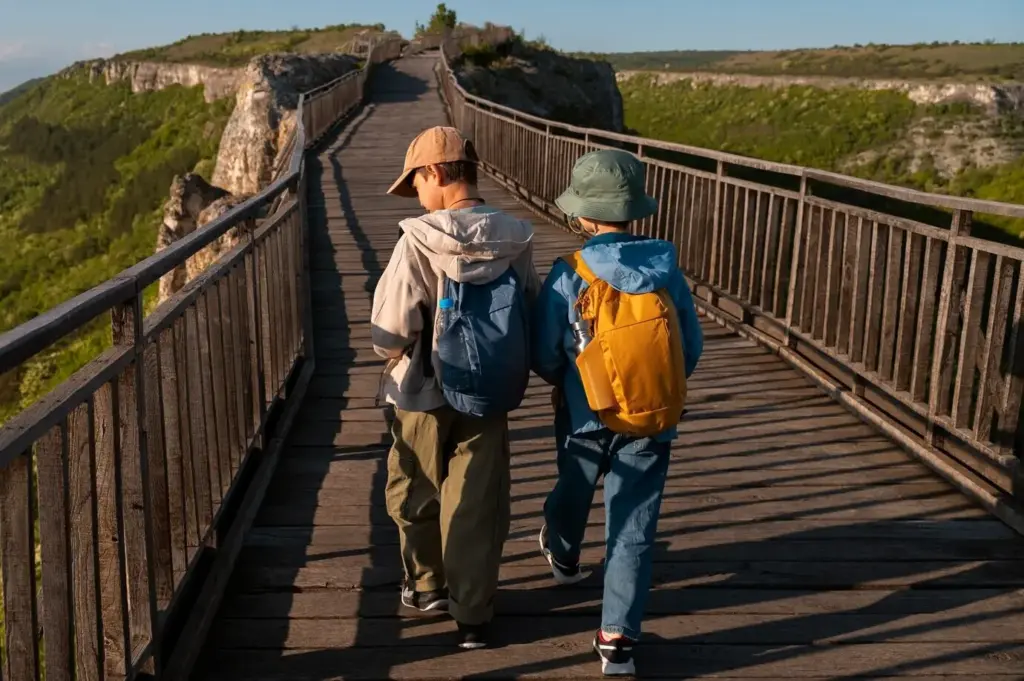
Carry a waterproof map and a compass, then practice among familiar hills before committing to long ridges. Apps excel at context and timing, but eyes catch cornices, wet slab sheen, and late snow in gullies. Cross-reference terrain features and keep a running mental model as visibility changes. When the map says “easy” but your gut says “slow,” listen and reroute. Conserving energy and daylight preserves your ride connections and, more importantly, your margin for safe enjoyment.

Power Management for Multi-Day Confidence
Phones, headlamps, and cameras sip more power when cold, so insulate batteries and ration screen time. Airplane mode, offline tiles, and dark mode stretch capacity through long evenings. A compact power bank sized to your itinerary beats oversized bricks you never drain. Solar can help in bright seasons, but do not rely on it in narrow valleys. Keep emergency lighting separate from your main lamp. Share real-world power logs to help others right-size their setups for lean, efficient travel.

Campsite Choices that Let Grass Recover

Seek gravelly patches, established platforms, or firm short grass where roots are resilient. Rotate stake positions and disperse tents if traveling in a group. Avoid fragile mosses, wet meadows, and cultural sites that deserve undisturbed rest. Pack up at first light if camping near popular paths to reduce visibility. Before leaving, comb the area for micro-litter, pressed stems, or stray cordage. Post your favorite low-impact campsites only with care, emphasizing ethics, not coordinates, to protect places from pressure.

Waste, Sanitation, and Invisible Mornings

Carry a trowel, learn soil types, and understand when to pack all waste out if depth or decomposition is insufficient. Choose sites at proper distances from water, trails, and camps. Paper and hygiene items belong in sealed bags, not shallow holes. Strain dishwater and scatter it broadly away from streams. Morning sweeps for crumbs and cut threads maintain invisibility. Share the simple, respectful routines that kept your campsite pristine so newcomers adopt the same quiet diligence across the hills.

Sample Itineraries You Can Ride To

Three Days Among the Fells by Rail

Begin at a lakeside station, stride through oak woods to a breezy pass, and camp above mirrored water. On day two, follow a high horseshoe of forgiving rock, with options to detour if winds rise. Descend to a rail town for fresh bread and a cozy bothy-style hostel. Finish with a ridgeline traverse that ends near a return platform. Trains run often, easing timing stress. Share your alternate camps and café gems to refine this flexible, car-free classic.

Alpine Balcony Paths Linked by Regional Trains

Ride a regional line into a valley framed by glaciers, then ascend balcony trails that float above hamlets and meadows. Overnight near mountain huts or designated sites, waking to pink alpenglow on distant seracs. Link villages with reliable trains and buses, allowing easy weather escapes without abandoning grandeur. Snack on local cheese, refill bottles at fountains, and respect signed rest zones for wildlife. Post your shoulder-season timing tips and trail junction nuances to help others savor quieter, safer passages.

Coastal Hills and Moorland via Ferry and Bus

Sail to a rugged peninsula, step off the ferry into salty wind, and climb through gorse to moorland views where sea and sky trade moods hourly. Camp on firm turf above cliffs, following established pads. A rural bus returns you to the port, with a village shop en route for oatcakes and berries. Storm systems can rearrange plans, so build layover slack and relish tidepool interludes. Share updated ferry schedules, sheltered coves, and sunrise angles that reward early risers generously.

Nuraxukerafema
Privacy Overview

This website uses cookies so that we can provide you with the best user experience possible. Cookie information is stored in your browser and performs functions such as recognising you when you return to our website and helping our team to understand which sections of the website you find most interesting and useful.