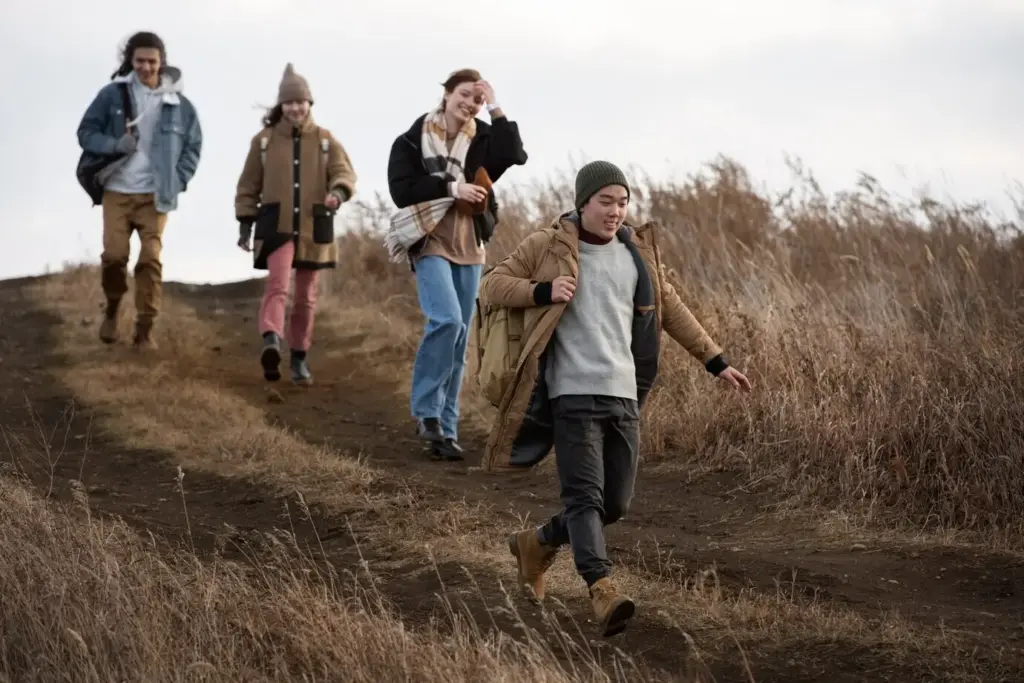
Take the Train to the Trail: Low-Carbon Hiking Starts Here

Today we dive into planning low‑carbon hiking trips using public transit to reach the hills, celebrating journeys where your boots and a timetable replace idling engines. Expect practical route ideas, packing strategies, safety insights, and stories showing how shared transport shrinks emissions, softens our impact on trailhead communities, and turns travel time into part of the adventure rather than a commute to escape.

Why Footprints Matter More Than Tire Tracks
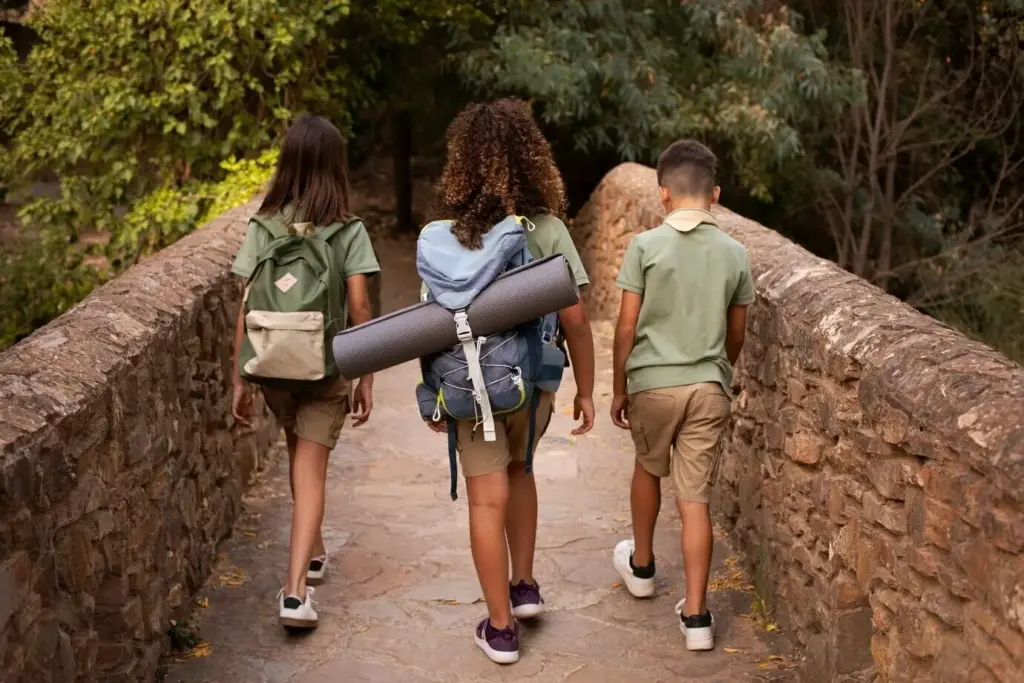
Choosing rail and bus over private cars often cuts transport emissions substantially, especially on popular weekends when traffic snarls around trailheads. Fewer vehicles mean quieter valleys, safer roads for cyclists, less parking pressure on fragile habitats, and cleaner air for residents who welcome visitors but not smog. When we reimagine access, we protect the places we love while modeling responsible, future‑friendly travel.

Finding Trailheads Connected by Rail or Bus

Scan regional rail maps and intercity bus networks for stations near national parks, commons, or village greens that anchor local footpaths. Satellite layers reveal safe walking links, while park websites often list stops. Favor places with simple, well‑signed approaches to avoid awkward roadside stretches. A trail that naturally begins near a platform sets an unhurried, confidence‑building tone from step one.

Reading Weekend and Holiday Schedules Carefully

Saturday and holiday services can differ dramatically, with fewer evening departures and altered stopping patterns. Highlight crucial trains, add a conservative cushion for platform changes, and consider frequency patterns rather than single departures. If your route allows two return windows, stress disappears. Post screenshots offline, and note short‑turn buses that end early, preventing surprises at dusk when options tighten fastest.

Designing Flexible Out‑and‑Back or Through Routes

Loop or point‑to‑point? With transit, both can shine. Out‑and‑backs simplify timing, while through hikes connect different stations, letting scenery change alongside your carriage home. Map bailout paths toward alternate stops, tag cafes for warmth, and identify ridgeline shortcuts if clouds descend. Flexibility safeguards morale while preserving the unhurried, low‑impact spirit that makes these journeys so satisfying.

Packing Light and Smart for Rail-and-Bus Hikes
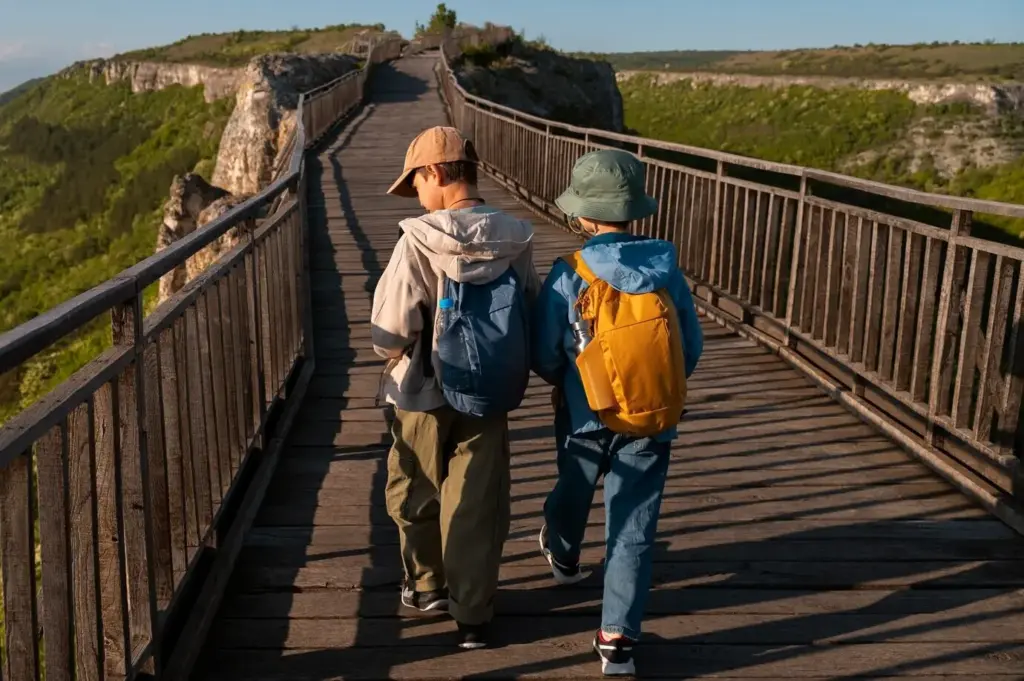
Gear for a transit‑linked hike favors compact, tidy systems that slip under seats and carry gracefully through stations. Focus on layered clothing, a compressible warm piece, and a simple food‑water plan that avoids messy repacking. Keep valuables consolidated, add a tiny trash sack, and choose footwear you can comfortably wear on platforms without changing benches or muddy drama.

Safety, Access, and Respect Along the Way

Shared transport places you among neighbors, not anonymous parking rows, so considerate behavior matters as much as navigation. Know local access rules, quiet hours, and seasonal closures. Share space on vehicles politely, confirm last departures, and carry offline maps. Respect trail etiquette, leash requirements, and community rhythms, remembering that hospitality grows when visitors tread lightly and leave schedules to breathe.
Keep packs compact, avoid blocking aisles, and yield seats to those who need them. In villages, follow signage, support small shops, and keep early‑morning voices soft near homes. On trails, pass courteously, step aside for uphill hikers, and protect switchbacks from shortcuts. Your conduct transforms transit‑linked hiking from curiosity to cherished custom, strengthening bonds between walkers and host communities.
Some stops are unstaffed or minimally signed, so arrive a few minutes early and stand visibly. Photograph station maps and note which door opens nearest the exit. At trailheads, confirm waymarks before committing to side lanes. Record coordinates for emergency reference, and learn local naming quirks where trails share similar titles. Clear, calm transitions keep energy for the ridge, not logistics.

Real Journeys: Train-to-Trail Stories That Inspire

Narratives teach faster than checklists. Hearing how others linked platforms to peaks reveals small tricks, from choosing front carriages for faster exits to spotting a bakery beside the bus stop. These vignettes celebrate kindness, patience, and the quiet resilience that grows when adventure begins not with ignition, but with a timetable, a smile, and confident steps toward the hills.

Plan Your First Low-Carbon Hike This Month

Set a date, pick a reachable route, and treat the timetable like a friendly guide. Start modestly, choose generous return options, and invite a friend to share discovery and snacks. Afterward, share a brief trip report, celebrate what worked, note improvements, and subscribe for route ideas, community meetups, and seasonal checklists that keep momentum growing without burning fossil enthusiasm.

A Seven‑Day Countdown That Works

Day 7: choose region and station. Day 6: shortlist trails within walking distance. Day 5: confirm schedules and screenshot them. Day 4: finalize gear. Day 3: check weather. Day 2: pack snacks and charge devices. Day 1: early bedtime. On the day: relax, trust buffers, and enjoy the ride as the prologue to a memorable ridge walk.

Invite Friends and Share Responsibilities

Assign roles that match strengths: navigator handles maps, timekeeper mindfully watches connections, snack captain balances sweet and salty. Split group gear to keep packs light and boarding smooth. Agree on decision points and cheerful bailouts. Shared transit invites shared leadership, turning potential stress into a playful choreography that starts on the platform and crescendos on the summit cairn.
Nuraxukerafema
Privacy Overview

This website uses cookies so that we can provide you with the best user experience possible. Cookie information is stored in your browser and performs functions such as recognising you when you return to our website and helping our team to understand which sections of the website you find most interesting and useful.